Boho Shabby Vintage Backgrounds: A Designer's Rustic Toolkit
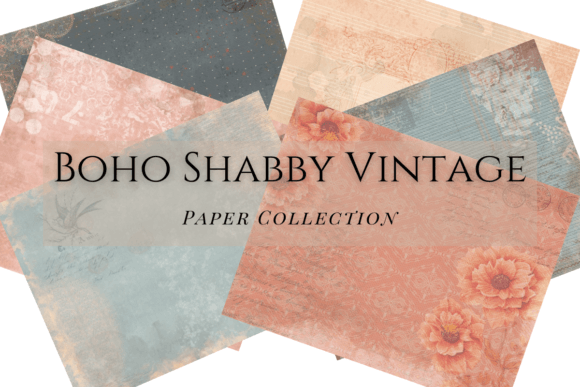
There’s a certain magic in objects that tell a story—a faded postcard, a worn leather journal, a sun-bleached textile. Capturing that essence digitally is a challenge, but the Boho Shabby Vintage Backgrounds collection does it with remarkable authenticity. This isn't just a set of six 11” x 8.5” 300 dpi JPEG files; it’s a curated archive of texture, history, and mood. For designers, crafters, and content creators, these papers offer a direct pathway to projects imbued with rustic charm and bohemian warmth.
Understanding the Aesthetic: More Than Just "Old"
The visual personality of this collection is a careful balance. It leans into the shabby chic tradition of soft, distressed elegance but infuses it with a free-spirited, earthy bohemian vibe. Expect to find layered textures that mimic aged paper, subtle cracks in plaster-like surfaces, faded floral motifs, and patterns that look hand-printed or block-stamped. The color palette tends toward muted, natural tones—dusty rose, sage green, antique ivory, and warm sepia—avoiding anything garish or overly saturated.
This style works because it feels handmade and imperfect. In a digital landscape often dominated by clean, sterile vectors, these backgrounds provide a tactile, human touch. They communicate nostalgia, authenticity, and a connection to craftsmanship. For a brand, using these textures can signal values of sustainability, artisanal quality, and timelessness over fleeting trends.
Practical Applications Across Creative Fields
The versatility of these digital papers is where their true value lies. They function as foundational design assets that can elevate a wide range of projects. Let’s move beyond the obvious and explore specific, practical uses.
For Branding and Marketing Materials
Building a cohesive brand identity requires a consistent visual language. A boho shabby vintage texture can become a signature element. Use it as the background for your website's hero section, as a subtle overlay in your social media graphics, or as the paper stock effect for your digital business cards and letterheads. For entrepreneurs in the wellness, handmade goods, or sustainable fashion spaces, this aesthetic builds immediate recognition and trust with your audience.
In Editorial and Publishing Design
Magazines, lookbooks, and e-books thrive on atmosphere. These backgrounds can set the tone for a feature article on rustic living or a photo essay with a vintage filter. As a design asset, they solve the problem of blank white space, adding depth and interest to layouts without competing with your primary imagery or typography. They pair exceptionally well with elegant serif fonts for body text and whimsical script fonts for pull quotes, creating a rich typographic hierarchy.
Digital Content and Social Media
Content creators constantly need fresh, engaging visuals. These papers are perfect for creating quote graphics, Instagram story backgrounds, Pinterest pins, and YouTube channel art. Their textured nature ensures your content stands out in a crowded feed. They provide a consistent backdrop that can unify your visual content, making your profile look curated and professional.
Packaging and Product Presentation
For small business owners selling physical products, packaging is an extension of the product itself. A vintage paper texture can be printed on labels, tissue paper, or box inserts, reinforcing the brand story before the customer even sees the item. It’s a cost-effective way to add a premium, thoughtful touch to your packaging design.
Craft and Personal Projects
For the hobbyist, the applications are boundless. Beyond digital scrapbooking, use these backgrounds for custom invitation suites, printable wall art, decoupage projects, or even as unique textures for digital art and illustration in programs like Procreate or Photoshop. Playing with blending modes like Multiply or Overlay can integrate these textures seamlessly into your own artwork.
Making It Work: Technical and Strategic Considerations
Adopting any new design asset requires a bit of strategy to ensure it enhances rather than hinders your project. Here’s how to integrate the Boho Shabby Vintage Backgrounds effectively.
Evaluating Project Fit: First, assess if this aesthetic aligns with your message. It’s ideal for projects seeking warmth, history, or organic appeal. It may not be the best fit for ultra-modern tech startups or high-energy, fast-paced brands unless used in a very restrained, contrasting way.
Ensuring Readability and Hierarchy: Texture is a background player. Your primary text and key visuals must remain the star. Use these papers behind solid color blocks or semi-transparent overlays to ensure your font pairing—whether a clean sans serif font for readability or a display font for headlines—remains crisp and legible. Always test your typography at various sizes.
Achieving Consistency: With six papers in the set, you have options. Select one or two that best match your project’s color scheme and use them consistently across all touchpoints. This builds a recognizable visual identity rather than a disjointed collage.
Testing and Pairing: Don’t just drop the texture in and call it done. Experiment. Try layering two papers with reduced opacity. Use a texture as a clipping mask over a shape or text. Pair the rustic texture with modern, geometric elements for an interesting contrast that feels fresh.
Understanding Your License: As with any premium font or asset, clarify the license. For commercial use—whether on a client’s website, a sold product, or marketing materials—ensure the license permits your intended application. Most reputable collections like this are clear on terms, allowing you to use the assets with confidence.
The Boho Shabby Vintage Backgrounds are more than just pretty pictures; they are tools for storytelling. They provide a ready-made aesthetic foundation that can save hours of work trying to create similar effects from scratch. By understanding their character and applying them thoughtfully, you can inject a dose of authentic, rustic soul into your digital and print creations, connecting with your audience on a more visceral, nostalgic level.