Creepy Asylum Digital Backgrounds V1: Your Halloween Photo Toolkit
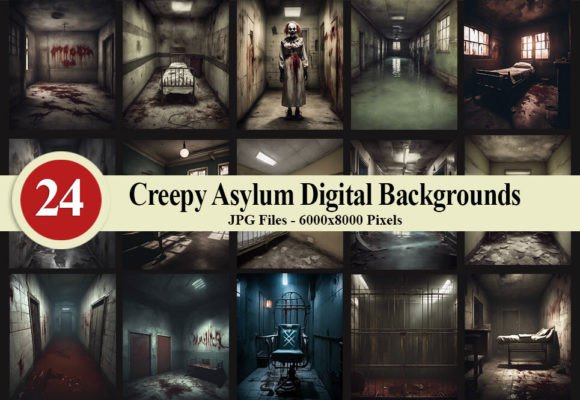
When you’re planning a Halloween-themed photoshoot, the setting is everything. A single, well-chosen background can transform a simple portrait into a chilling narrative. This is where a resource like Creepy Asylum Digital Backgrounds V1 becomes invaluable. It’s a collection of 24 high-resolution JPEG backdrops, each measuring a generous 6000 × 800 pixels, designed to inject immediate atmosphere into your creative projects.
Understanding the Visual Language
These aren't just generic dark textures. The Creepy Asylum Digital Backgrounds set is built around a specific, potent aesthetic: the abandoned institution. Imagine peeling paint on damp concrete walls, rusted metal fixtures, eerie institutional corridors, and windows that let in unsettling slivers of light. The personality of these backdrops is one of decay, suspense, and forgotten stories. They carry a gritty, textured style that feels authentically distressed, avoiding a cheap or overly digital look. This authenticity is their core appeal for serious creators.
The overall vibe is less about jump scares and more about slow-burn dread. It’s the perfect visual foundation for projects that aim to be haunting, mysterious, or psychologically unsettling. Whether you're a photographer creating a Halloween mini-session series, a digital artist building a composite for a book cover, or a social media manager crafting a themed campaign, this set provides a cohesive and powerful visual language to work with.
Practical Applications for Creators and Businesses
The utility of a digital backdrop library like this extends far beyond personal Halloween fun. For professional photographers, it’s a practical solution to save significant time and money. Instead of scouting and building a physical set, you can instantly place your subject into a convincingly eerie environment during post-processing. This is especially useful for holiday mini-sessions where setup and teardown time directly impact profitability.
For graphic designers, marketers, and content creators, the applications are equally robust. Consider these scenarios:
- Logo & Brand Identity: A brand centered around horror podcasts, escape rooms, or haunted attractions could use a subtly textured snippet from one of these backdrops as a background element in their logo or social media kits, reinforcing their niche identity.
- Editorial & Packaging Design: Imagine the cover of a mystery novel, a Halloween-themed magazine spread, or packaging for seasonal craft beers or artisanal treats. These backdrops provide a ready-made, high-quality display setting that establishes mood instantly.
- Web & Social Media Graphics: Create compelling hero images for a blog post about horror movies, design eye-catching event flyers for a Halloween party, or produce a series of cohesive Instagram stories with a consistent, creepy aesthetic. The modern typography you pair with these images will pop against such a detailed background.
- Digital & Print Projects: The high-resolution files are versatile for both large-format printing (like posters or banners) and crisp digital displays.
The key is that these assets integrate into a workflow you likely already have. As they are JPEG files designed for layer-based editing, they work seamlessly in Adobe Photoshop, Photoshop Elements, GIMP, Paint Shop Pro, and even user-friendly apps like PicMonkey. This makes them accessible to everyone from seasoned designers to hobbyists and small business owners handling their own marketing.
Making It Work: Integration and Best Practices
Simply slapping a photo onto a creepy background will yield mediocre results. The magic lies in thoughtful integration. Here’s how to ensure your projects using Creepy Asylum Digital Backgrounds look professional and engaging.
Lighting is Your Best Friend. The most common mistake in composite photography is mismatched lighting. Before you even drag your subject layer onto the backdrop, analyze the light source in the background. Is the light coming from a high window on the left? Your subject’s lighting should mimic that direction and quality. Use adjustment layers and brushes in your editing software to dodge and burn your subject to match, creating a believable scene.
Color Grading Creates Cohesion. To sell the illusion, apply a unified color grade to both the subject and the background. Using a Hue/Saturation adjustment layer or a Color Lookup Table (LUT) over the entire composite can blend the elements together, making them feel like they were captured in the same environment.
Consider Your Typography Pairings. If you’re using these backdrops for graphic design, your font choice will significantly impact the final message. A clean, bold sans serif font can create a stark, modern contrast against the textured decay, perfect for a movie poster. A classic serif font might evoke a more literary or gothic feel for a book cover. Avoid overly ornate script fonts that might become illegible against the detailed backgrounds. The goal is to ensure your text remains the clear focal point for information, with the backdrop enhancing the mood without causing visual clutter.
Evaluate Project Fit and Licensing. Always review the included files to ensure they match your project’s specific needs. While this set is incredibly versatile, its niche aesthetic means it’s ideal for projects that call for that particular asylum, institutional, or decaying atmosphere. For commercial use—like selling prints, using in client work, or incorporating into products for sale—always verify the license terms provided by the creator to ensure you are compliant.
In the end, Creepy Asylum Digital Backgrounds V1 is more than just a set of images; it’s a toolkit for storytelling. It provides the environmental canvas upon which you can build your Halloween narratives, market your seasonal offerings, or explore darker creative themes. By focusing on practical integration techniques like lighting and color matching, and by making smart design choices with typography, you can leverage these assets to produce work that is both visually striking and professionally polished. It’s a direct way to elevate your creative output, save valuable resources, and connect with an audience that appreciates a well-executed, atmospheric design.