Elevate Your Designs: The Allure of Marbled Sublimation Backgrounds
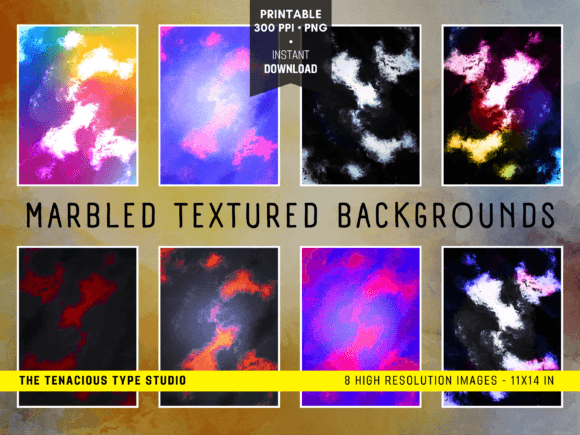
There’s a certain magic in the way colors swirl and blend in natural marble—a sense of organic elegance that’s hard to replicate digitally. That’s exactly what makes this new collection of 8 marbled background texture images so compelling. These aren’t just generic textures; they’re carefully crafted PNG files designed to bring depth, sophistication, and a touch of artistic flair to a wide range of creative projects. If you’ve been looking for a way to add instant visual interest without starting from scratch, this collection deserves a spot in your design toolkit.
Understanding the Visual Character of Marbled Textures
Each background in this set features intricate swirls, layered color transitions, and captivating patterns that feel both dynamic and harmonious. The high-resolution PNG format ensures crisp detail, whether you’re using them at full scale for a website header or as subtle accents in print materials. What makes these particular marbled backgrounds stand out is their versatility—they can evoke luxury, creativity, or calm depending on the color palette and how they’re applied.
Think of them as premium design assets that work quietly in the background, enhancing your main content without overwhelming it. Unlike flat, single-color backgrounds, marbled textures add a layer of sophistication and visual storytelling. They’re particularly effective for projects where you want to convey craftsmanship, creativity, or a modern artistic sensibility.
Practical Applications Across Creative Projects
The true value of a resource like this lies in its adaptability. These marbled backgrounds aren’t limited to one type of project—they’re designed to serve multiple purposes across different creative disciplines. Here’s how you might put them to work:
For Brand Identity and Marketing Materials
When developing a brand identity, consistency and visual appeal are crucial. These textures can be used as backdrops for business cards, letterheads, or packaging designs to create a cohesive, professional look. For social media graphics, they make excellent backgrounds for quote posts, promotional banners, or story templates. The organic patterns help content stand out in crowded feeds while maintaining an elegant, polished aesthetic.
In Digital and Web Design
Web designers will find these textures invaluable for creating engaging website headers, hero sections, or section dividers. They add visual interest without distracting from the core message. Because they’re PNG files with transparent elements, they layer beautifully over solid colors or other design elements. For digital artists, these backgrounds can serve as foundations for illustrations, photo manipulations, or mixed-media projects, adding texture and depth that’s difficult to achieve manually.
Print and Editorial Projects
In editorial design—think magazines, lookbooks, or book covers—marbled textures can be used as chapter dividers, page backgrounds, or accent elements. They bring a tactile, artistic quality to printed materials that readers appreciate. Similarly, in packaging design, a subtle marbled pattern can elevate a product’s perceived value, suggesting quality and attention to detail.
Making the Most of These Textures in Your Workflow
Integrating new design assets into your projects should feel seamless, not complicated. Here are a few practical tips for working with marbled backgrounds effectively:
- Consider context first. A vibrant, high-contrast marbled texture might work beautifully for a festival poster but could overwhelm a corporate report. Match the texture’s energy to your project’s tone.
- Layer thoughtfully. Use these backgrounds as base layers with text, logos, or other graphics placed on top. Adjust opacity or blend modes to achieve the desired effect—sometimes a 30% opacity creates the perfect subtle texture.
- Test for readability. Always check that your text remains legible over the background. If the pattern is too busy, consider adding a semi-transparent color overlay or using the texture in smaller sections.
- Pair with complementary typefaces. Marbled textures often pair well with clean, modern sans serif fonts for contrast, or with elegant serif fonts for a more traditional feel. Avoid overly decorative typefaces that might compete for attention.
Remember, the goal is to enhance your design, not to let the background dominate. These textures are tools—how you use them determines their impact. Experiment with different applications, and you’ll quickly discover how versatile they can be.
Why Quality Matters in Texture Resources
In a world of countless free design resources, it’s worth investing in assets that are crafted with care. High-quality textures like these marbled backgrounds save time, reduce frustration, and deliver consistent results. They’re created to meet professional standards, meaning they’re reliable for both personal and commercial projects. Whether you’re designing for a client, building your own brand, or simply exploring your creativity, having dependable resources makes the process smoother and more enjoyable.
This collection is more than just a set of images—it’s a creative catalyst. By incorporating these marbled backgrounds into your work, you’re not just filling space; you’re adding a layer of artistry that can transform ordinary designs into memorable ones. Take the time to explore each texture, experiment with different applications, and see how they can elevate your next project.