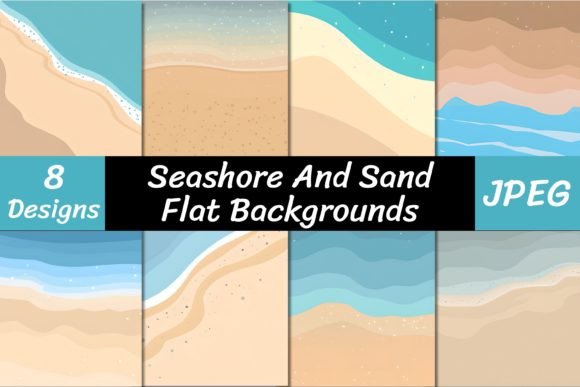
Seashore and Sand Flat Backgrounds: Your Go-To for Coastal Projects
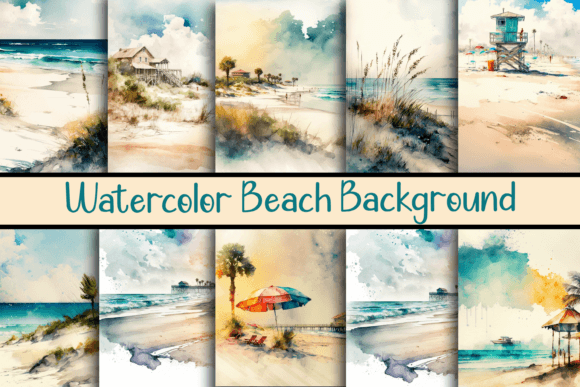
There's a certain quiet energy to the coast—the way light plays on wet sand, the soft texture of a dune, the clean, simple horizon line. Capturing that feeling in a digital project often starts with the right backdrop. The Seashore and Sand Flat Backgrounds collection is built around this idea, offering a set of eight distinct digital papers that serve as a versatile foundation for a wide range of creative work. These aren't just simple color fills; they're crafted to evoke the natural beauty and calm of a shoreline, making them a valuable asset for designers and creators seeking a coastal aesthetic.
Understanding the Visual Character
At its core, this collection provides a high-quality, textural base. Each of the eight JPEG files is rendered at 3600 x 3600 pixels with a 300 DPI resolution, ensuring crisp detail for both digital and print applications. The "flat" aspect of the name points to a modern, clean design sensibility. Think subtle gradients mimicking the fade from wet to dry sand, soft speckles that suggest granular texture, or gentle, abstract wave patterns. The color palette leans into natural, muted tones—creams, beiges, soft tans, and pale blues—creating a serene and sophisticated mood. This isn't a loud, photorealistic seascape; it's an interpretation, making it highly adaptable for layering with text, graphics, and other design elements without overwhelming them.
The personality of these backgrounds is one of understated elegance and versatility. They can feel professional and minimalist for a corporate brand, or warm and inviting for a lifestyle blog. This adaptability is their greatest strength, allowing them to serve as a supporting actor that elevates the main content rather than competing with it.
Where These Backgrounds Truly Shine
The practical applications for these digital papers are extensive, spanning both personal and commercial projects. For entrepreneurs and small business owners, they offer a quick way to establish a cohesive brand identity, especially for businesses in the wellness, travel, food, or artisanal product spaces. Imagine these textures as the foundation for a logo design mockup, the backdrop for product photography on a website, or the consistent visual thread across all social media graphics.
For editorial design and publishers, they work beautifully as chapter openers, section dividers, or textured page backgrounds in magazines, lookbooks, or e-books. The high resolution makes them suitable for packaging design where a tactile, natural feel is desired. Bloggers and content creators can use them to create cohesive Pinterest pins, Instagram story templates, or website banners that instantly communicate a specific mood. Even for crafters and hobbyists, these files are perfect for creating custom stationery, printable wall art, or scrapbook elements.
Integrating with Typography and Other Elements
The true power of a background asset is revealed in how it interacts with other design components. The subtle nature of the Seashore and Sand Flat Backgrounds makes them an excellent partner for a wide range of typefaces. They provide enough visual interest to prevent designs from feeling flat, yet they maintain enough restraint to ensure readability.
- Pairing with Fonts: A clean sans serif font like Montserrat or Lato will create a modern, airy feel against a sandy texture. For a more traditional or elegant look, a classic serif font such as Garamond or Playfair Display adds sophistication. A script font or handwritten font can introduce a personal, artisanal touch, perfect for wedding invitations or boutique branding. The key is to ensure sufficient contrast; a light background with dark text, or vice versa, will maintain clarity.
- Creating Visual Hierarchy: Use the background to define different sections or levels of information. A lighter variant might hold the main body text, while a slightly darker or more textured version could frame a pull quote or call-to-action button. This guides the viewer's eye naturally through the layout.
- Enhancing Brand Perception: Consistency is king in branding. Using these backgrounds across your website, social media, and printed materials builds a recognizable visual language. The coastal theme can subtly communicate values like tranquility, clarity, natural quality, and approachability.
A Practical Guide to Selection and Use
Before downloading, consider the specific needs of your project. Review the eight included files to see which color tones and texture intensities align best with your vision. Will you need a very subtle, almost white sand for a minimalist project, or a richer, more defined texture for a rustic feel?
- Evaluate Project Fit: Ask yourself what emotion or message your project needs to convey. These backgrounds excel in contexts that benefit from a natural, calming, or clean aesthetic. They might be less suitable for a project requiring a dark, urban, or high-tech vibe.
- Test Font Pairings Early: Once you have the files, mock up a few key elements—like a headline and a paragraph—on top of the backgrounds. This quick test will reveal if your chosen typeface maintains readability and desired contrast. Pay attention to how the font's personality interacts with the background's texture.
- Leverage the High Resolution: The 300 DPI and large pixel dimensions mean you have flexibility. You can use the entire image as a background, or crop in tightly to use a specific texture section without losing quality, which is especially important for print.
- Understand the Format: Remember, the files are delivered in a zipped folder. Ensure you have the appropriate software (like WinZip or WinRAR) to extract the JPEGs before you begin working. This simple step prevents workflow interruptions.
Ultimately, a great set of design assets like the Seashore and Sand Flat Backgrounds provides not just a pretty picture, but a reliable tool. It solves the common creative problem of finding a backdrop that is both visually appealing and functionally flexible, allowing you to focus your energy on the core message and design of your project. By understanding its strengths and applying it thoughtfully, you can create work that feels polished, cohesive, and effectively connected to the serene beauty of the coast.