Timeless Charm for Modern Projects: Antique Floral Writing Paper Backgrounds
The Visual Appeal of Digital Paper with Character
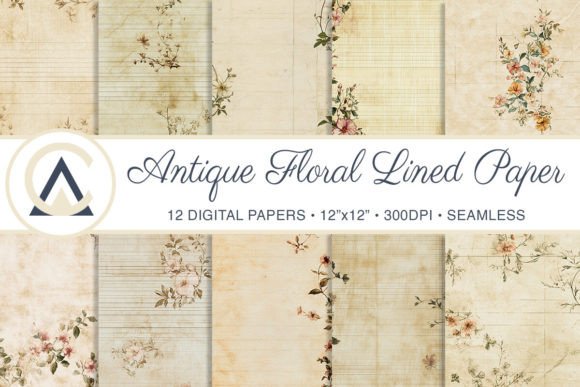
There’s something deeply satisfying about working with design assets that carry a sense of history. Antique floral writing paper backgrounds offer exactly that feeling—a blend of vintage elegance and organic beauty that’s hard to replicate with modern, minimalist textures. These digital papers typically feature soft, muted color palettes, delicate botanical illustrations, and subtle paper grain that mimics aged stationery. The floral motifs range from intricate roses and peonies to simpler wildflower arrangements, often arranged in repeating seamless patterns that tile perfectly across any surface.
What makes these backgrounds stand out is their ability to evoke warmth and nostalgia without feeling dated or cluttered. They strike a balance between decorative and functional, giving your projects a handcrafted quality that resonates with audiences who appreciate authenticity. Whether you’re designing a wedding invitation or packaging for artisan goods, the visual personality of antique floral writing paper backgrounds adds layers of meaning and texture that flat, solid colors simply can’t provide.
Where These Backgrounds Truly Shine
The versatility of these digital papers is one of their greatest strengths. For print projects, they work beautifully as backgrounds for greeting cards, invitations, and stationery sets. Scrapbookers and junk journal enthusiasts find them especially useful for layering and creating themed pages. Because they come in high-resolution formats like 300 DPI PNG and JPEG files at 12x12 inches (3600x3600 pixels), the quality holds up remarkably well even when printed at larger scales for wall art, book covers, or posters.
On the digital side, antique floral writing paper backgrounds bring personality to website designs, social media graphics, and blog headers. They can serve as subtle textures behind text-heavy layouts or as full backgrounds for quote graphics and promotional posts. Small business owners often use them for product mockups, especially when branding leans toward vintage, handmade, or cottagecore aesthetics. The seamless nature of these patterns means you can tile them across larger surfaces—think tablecloths for product photography, wrapping paper designs, or even fabric prints for custom merchandise like t-shirts and tote bags.
For branding and packaging, these backgrounds offer a shortcut to establishing a cohesive visual identity. If your brand story involves craftsmanship, tradition, or natural ingredients, incorporating floral vintage textures into your packaging design, business cards, or labels can reinforce that narrative instantly. They pair particularly well with serif fonts and handwritten script typefaces, creating a unified look that feels intentional and polished.
Practical Guidance for Working with Floral Digital Papers
When choosing antique floral writing paper backgrounds for a project, start by considering the color palette of your overall design. Many sets come in multiple colorways—soft creams, dusty pinks, sage greens, or weathered blues—so selecting one that complements your existing brand colors or project theme is essential. If you’re working on a client project, share a few options early in the process to make sure the aesthetic direction aligns with their vision.
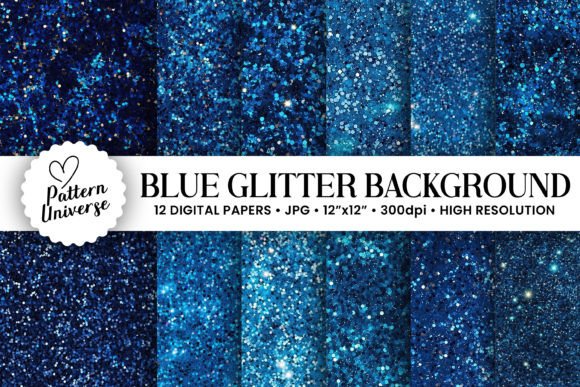
File format matters depending on how you plan to use the backgrounds. PNG files with transparency support are ideal for layering in design software like Adobe Photoshop, Illustrator, or Canva. JPEG files tend to have smaller file sizes, which can be helpful for web use or when you need to manage storage efficiently. Most quality digital paper sets, including those with 12 seamless patterns, are designed to be easy to resize and edit, so you can scale them up or down without losing clarity—a critical factor when moving between screen and print.
Think carefully about readability and visual hierarchy. A busy floral background can compete with text if you’re not intentional about placement and contrast. Adding a semi-transparent overlay, using a solid color panel behind your main text, or choosing areas of the pattern with less detail can help maintain legibility. This is where understanding basic typography principles comes into play: pairing a clean sans serif font with an ornate background creates contrast that guides the viewer’s eye, while layering a script font over a subtle floral texture can feel harmonious and elegant.
For those using these backgrounds in commercial projects, always review the licensing terms included with your purchase. Most digital paper sets sold through creative marketplaces allow for commercial use on physical products like stickers, mugs, cards, and apparel, but it’s worth confirming the specifics—especially if you plan to sell digital products or use the assets in client work. Keeping documentation of your licenses is a professional habit that protects you and your business.
Finally, don’t overlook the value of experimentation. Open the files in your preferred design software and play with blending modes, opacity adjustments, and color overlays. A single antique floral writing paper background can yield dozens of variations simply by tweaking how it interacts with other elements in your composition. This flexibility is what makes these assets a worthwhile addition to any designer’s toolkit—whether you’re a seasoned professional managing multiple brand identities or a hobbyist exploring new creative outlets.
Building a Cohesive Creative Toolkit
Investing in a curated set of 12 high-quality seamless backgrounds gives you enough variety to maintain visual interest across a multi-piece project without feeling repetitive. You might use one pattern for the main invitation design, another for envelope liners, and a third for thank-you cards—all while keeping the overall aesthetic unified. This kind of thoughtful consistency is what separates professional-looking designs from amateur ones, and it’s one of the reasons seasoned designers stock their libraries with versatile design assets like these.
Whether you’re building a brand identity from scratch, refreshing your social media presence, or diving into a personal craft project, antique floral writing paper backgrounds offer a foundation that’s both beautiful and practical. They bridge the gap between digital convenience and the tactile charm of vintage stationery, giving your work a distinctive edge that stands out in a crowded creative landscape.