Watercolor Sublimation Backgrounds: A Creative Toolkit for Makers
When you open a new design project, the first thing you need is a strong foundation. A blank canvas is intimidating, but a well-chosen background sets the entire mood. Watercolor sublimation backgrounds offer something special—they bring organic texture, gentle color blends, and a handcrafted feel that digital tools often struggle to replicate. These backgrounds work beautifully across a range of projects, from personalized t-shirts and mugs to wall art, greeting cards, and digital content. If you create products or designs that need warmth, personality, and visual depth, this collection deserves a spot in your design assets folder.
What Makes These Backgrounds Stand Out
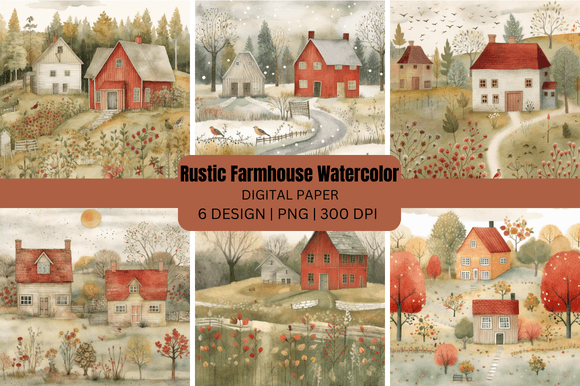
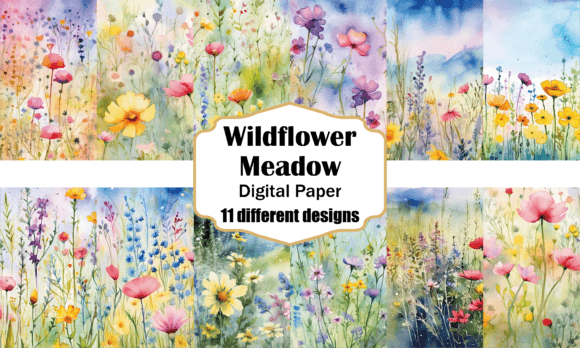
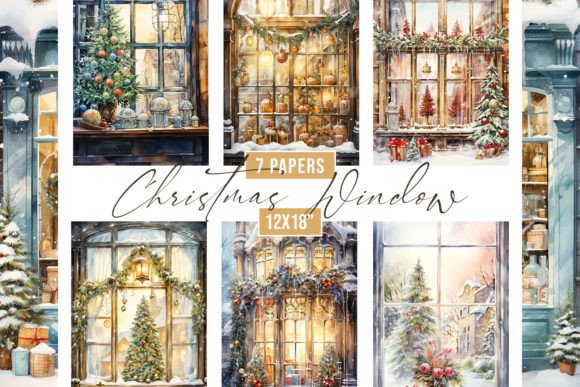
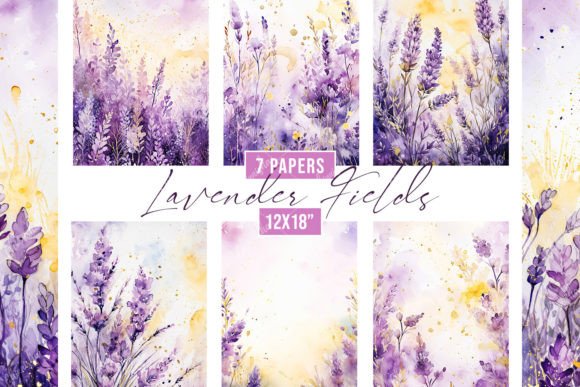
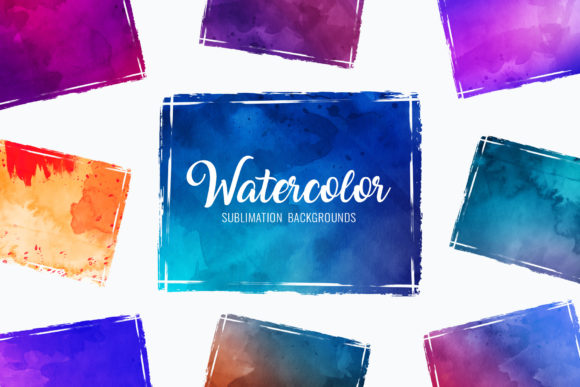
Watercolor has a timeless appeal. The soft washes, unpredictable bleeds, and subtle color variations give each piece a sense of authenticity. This particular set includes nine transparent PNG backgrounds, each sized at 12x12 inches (3600x3600 pixels) at 300 DPI. That resolution matters—it means you can scale these designs for print without losing clarity. Whether you're pressing a design onto a ceramic mug or printing a large poster, the quality holds up.
The transparent format is a practical choice. Instead of wrestling with removing white backgrounds or dealing with clashing base colors, you can layer these watercolor elements directly over your work. Drop one behind a quote for a social media post. Use another as a textured overlay on a product mockup. The flexibility here is real, and it saves time—something every designer and small business owner appreciates.
Where Watercolor Backgrounds Fit Best
These backgrounds shine in sublimation crafting. If you run a small business selling custom apparel, drinkware, or home décor, you know how important it is to offer designs that feel unique. Watercolor sublimation backgrounds give your products a hand-painted quality that mass-produced graphics can't match. A tote bag with soft watercolor florals. A notebook cover with abstract color washes. A set of coasters with coordinated but not identical backgrounds. These are the kinds of details that make customers stop scrolling and start buying.
Beyond sublimation, the applications stretch further. Bloggers and content creators can use them as website headers or Pinterest pin backgrounds. Marketers can incorporate them into email campaigns or presentation slides to soften a corporate message. Publishers might use them for book covers, chapter dividers, or interior page designs. The organic, approachable style of watercolor works well in industries like wellness, food, lifestyle, education, and children's products. It communicates care, creativity, and a human touch—qualities that resonate across audiences.
Pairing and Practical Considerations
A background is only as effective as what you put on top of it. When working with watercolor textures, font pairing becomes important. A bold sans serif font can create a striking contrast against the soft, flowing background. A clean serif font adds elegance without competing for attention. Script fonts and handwritten fonts can complement the organic feel, but readability matters—test your text at different sizes and on different screens before finalizing a design.
Think about color relationships too. If your watercolor background features warm tones like coral, peach, and gold, pair it with text in deep navy, charcoal, or cream. Cool-toned backgrounds in blues and greens work well with white, dark gray, or even a muted blush. The goal is contrast without clash. Your text needs to be legible at a glance, especially on products like mugs or t-shirts where viewing distance and lighting conditions vary.
Layering is another technique worth exploring. Because these backgrounds come as transparent PNGs, you can stack them, adjust opacity, or blend them with solid colors to create custom effects. A designer building a brand identity might use one watercolor style consistently across packaging design, social media graphics, and web design to create visual cohesion. The texture becomes part of the brand's personality—recognizable and memorable.
Evaluating Fit for Your Project
Not every project calls for watercolor. If your brand leans toward minimalism, geometric precision, or high-tech aesthetics, these backgrounds might feel out of place. But if your audience values warmth, creativity, craftsmanship, or nature-inspired design, watercolor sublimation backgrounds are a strong choice. They work especially well for seasonal promotions, handmade product lines, wedding stationery, nursery décor, and creative portfolios.
Before committing to a design direction, test the backgrounds in context. Drop them into a product mockup. See how they look on a phone screen versus a printed flyer. Ask a colleague or customer for feedback. Small adjustments—like cropping the background differently, adjusting the saturation, or changing the text placement—can make a significant difference in the final result.
One practical note: these files are handcrafted, which means each one has subtle irregularities. That's a feature, not a flaw. The slight variations in brushstrokes and color density give your designs character. Uniform, perfectly smooth backgrounds can look sterile. These feel alive.
Building a Workflow Around Quality Assets
Professional designers and serious hobbyists know that the quality of your design assets shapes the quality of your output. Investing in well-made, high-resolution backgrounds like this set pays off over time. You'll use them across multiple projects, adapt them for different clients or seasons, and build a library of resources that speeds up your workflow.
For entrepreneurs and small business owners, this matters even more. Every hour you save on sourcing or creating backgrounds is an hour you can spend on marketing, customer service, or product development. Having a reliable set of watercolor sublimation backgrounds ready to go means you can respond quickly to trends, fulfill custom orders, and maintain a consistent visual style across your product line.
The commercial potential is straightforward. Use these backgrounds to create finished products for sale—t-shirts, mugs, art prints, phone cases, throw pillows. Incorporate them into client work if you're a freelance designer. Add them to digital products like planners, invitations, or social media template kits. The versatility of watercolor as a visual style means you're not locked into one niche or market.
Ultimately, good design comes down to making intentional choices. Watercolor sublimation backgrounds give you a starting point that's already beautiful, already professional, and already tested at print-ready resolution. What you build on top of that foundation is where your creativity takes over.